The Hidden Reason Your Car Insurance Premium Increased This Year
The Hidden Reason Your Car Insurance Premium Increased This Year
Last updated: May 2026 | Reading time: ~6 minutes
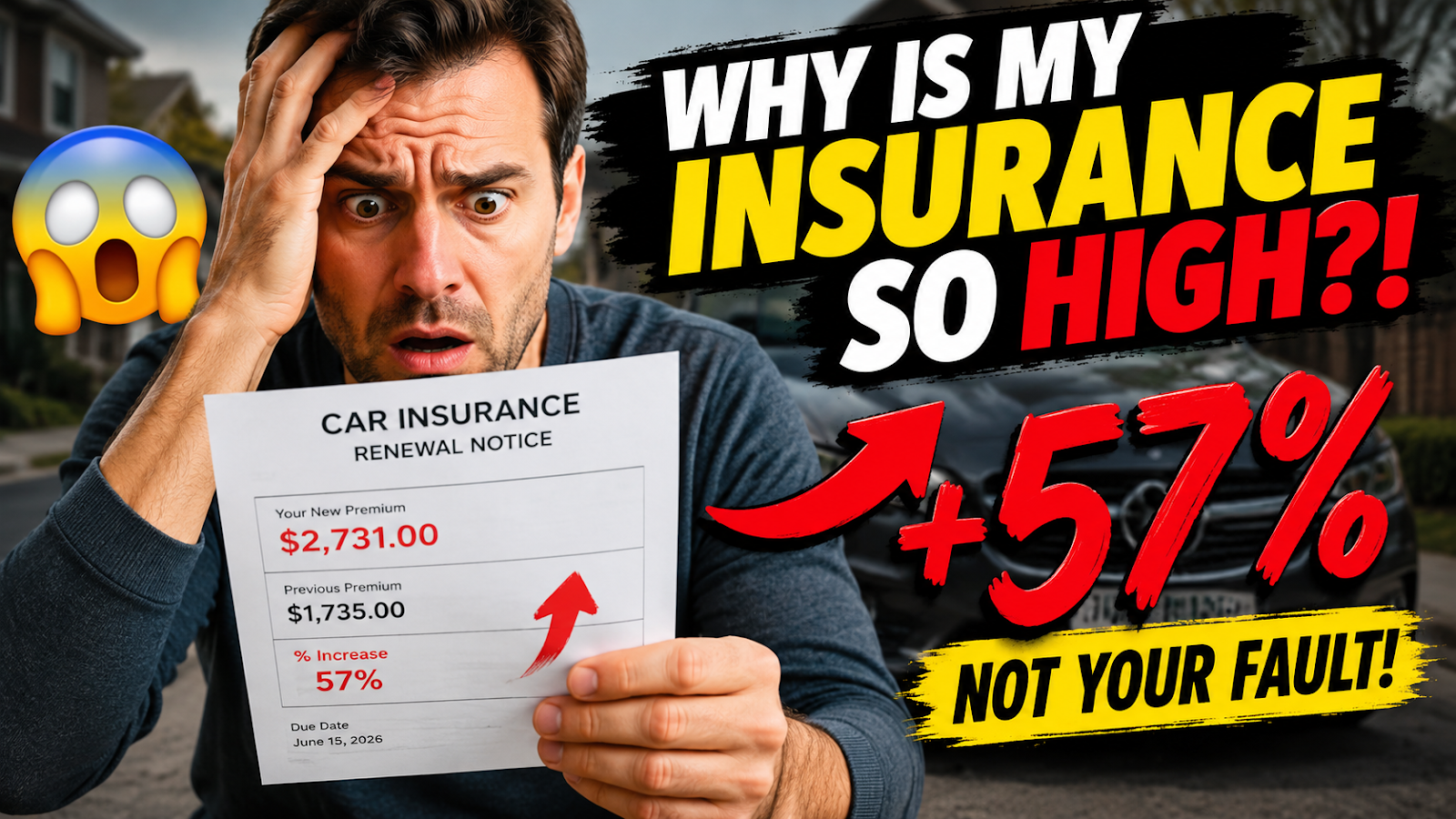
You didn't get into an accident. You didn't file a single claim. Your driving record is spotless — and yet, you opened your renewal notice and felt your stomach drop.
Your premium went up. Again.
You're not imagining it, and you're definitely not alone. Millions of drivers across the United States are experiencing the exact same gut punch right now, and most of them have no idea why it's happening.
The truth? The reason is hidden in plain sight — and it has very little to do with you.
The Number That Should Make You Pay Attention
According to data from the Bureau of Labor Statistics, car insurance premiums in the U.S. rose by over 22% in 2023 alone — the largest single-year increase in nearly 50 years. In 2024, rates climbed another 11–15% in most states.
That's not a blip. That's a trend.
The average American now pays roughly $2,150 per year for full coverage auto insurance, up from around $1,630 just three years ago. For many households, that's an extra $500 pulled quietly from their budget every year — without warning, without explanation.
So what is actually going on?
The Real Culprit: It's Not Your Driving
Here's the part most insurers won't spell out for you in the renewal letter.
When your premium increases, insurance companies are legally required to give you a reason. But "broader market conditions" or "actuarial adjustments" don't exactly tell the full story. These are real forces reshaping the entire industry — and your wallet is caught in the middle.
Let's break them down one by one.
Repair Costs Have Exploded — And Your Car Is Part of the Problem
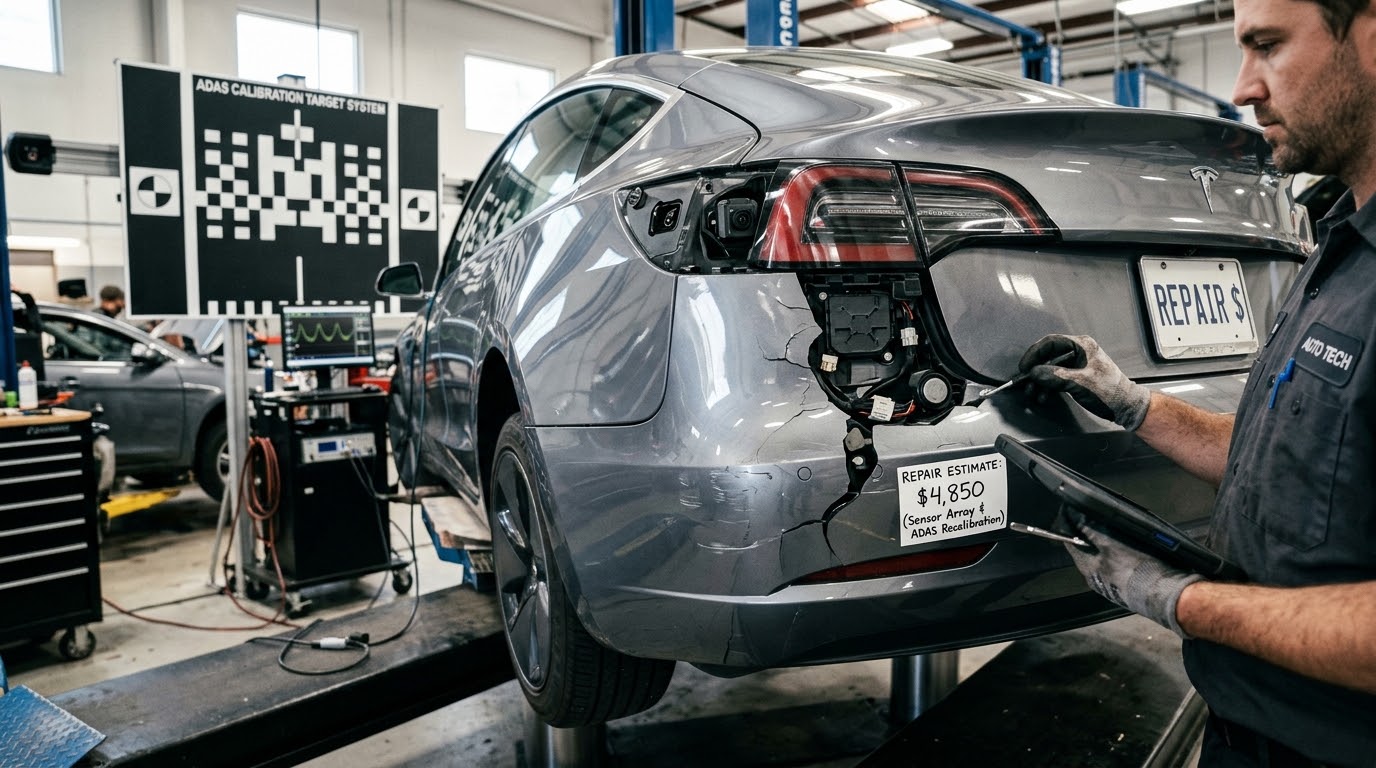
Modern vehicles are engineering marvels. They're packed with radar sensors, cameras, lane-assist modules, and advanced driver-assistance systems (ADAS). A Tesla Model 3 has cameras embedded in its bumpers. A Honda Civic now has sensors behind its windshield. Beautiful technology. Brutally expensive to fix.
A minor fender bender that once cost $800 to repair can now run $3,500 or more — simply because the bumper houses a parking sensor and the windshield needs camera recalibration after replacement. According to CCC Intelligent Solutions, the average auto repair cost increased by over 30% between 2020 and 2024. Insurers absorb those repair bills. And then they pass them on — to everyone.
Medical Costs Are Rising Faster Than You Think
It's not just the car that costs more to fix after an accident. It's the people inside it.
Healthcare inflation has been relentless. Emergency room visits, surgeries, physical therapy, MRI scans — all of it costs significantly more today than it did even five years ago. When someone gets injured in a car accident, the insurer covering the at-fault driver is responsible for those medical costs.
Higher medical bills mean higher liability payouts. Higher liability payouts mean higher premiums — even for drivers who've never caused a single accident.
This is called loss severity, and it's one of the primary drivers behind premium increases that catch careful drivers completely off guard.
Climate Change Is Doing Something Insurers Feared
This one surprises people.
Severe weather events — hailstorms, flash floods, wildfires, tornadoes — are becoming more frequent and more intense. The National Oceanic and Atmospheric Administration (NOAA) reported that 2023 saw 28 separate weather events in the U.S. that each caused over $1 billion in damage.
Cars are getting totaled in record numbers. Not from crashes — from the sky.
When thousands of vehicles in a single region get destroyed by a hailstorm in one afternoon, insurance companies pay out enormous sums. Those losses have to be recouped somewhere. And they are — spread across every policyholder in that region, including you, even if your car never saw a drop of rain.
Used Car Prices Changed Everything
Cast your mind back to 2021 and 2022.
Supply chain disruptions caused a global semiconductor shortage. New car production slowed dramatically. Demand stayed the same. Used car prices shot up by 30–40% almost overnight, with the Manheim Used Vehicle Value Index hitting record highs in early 2022.
When a car gets totaled, an insurer pays the actual cash value — which, during that period, was dramatically higher than before.
Even as used car prices have partially corrected, insurance companies are still recalibrating their models. They got burned. Hard. And rate increases are part of how they're recovering those losses.
Insurance Fraud: The Invisible Tax on Every Driver
Here's something that rarely makes headlines.
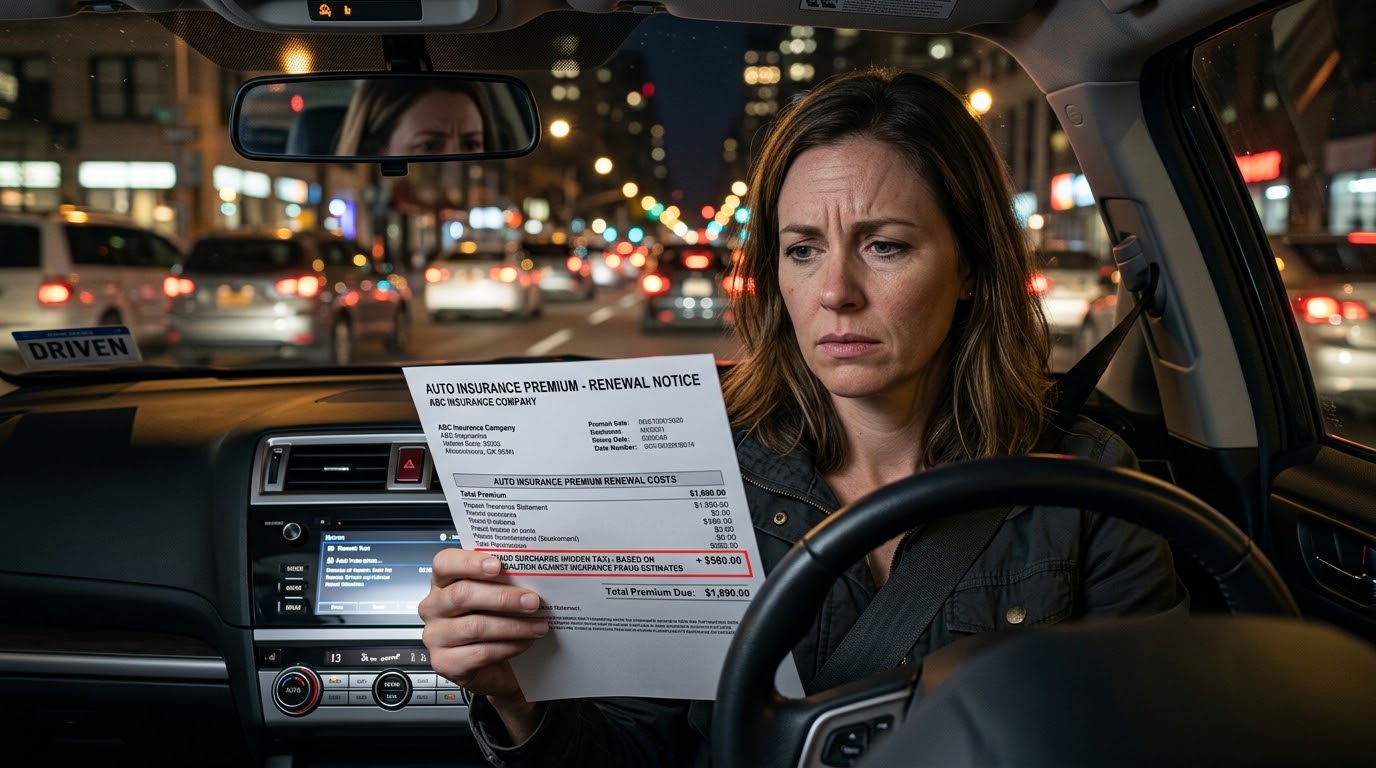
Insurance fraud costs the U.S. industry an estimated $308 billion per year, according to the Coalition Against Insurance Fraud. Staged accidents, inflated claims, phantom injuries — it's an enormous problem that operates largely in the shadows.
Every fraudulent claim paid out by an insurer is a loss. And like all losses in this industry, it gets distributed.
You — the honest driver who has never manipulated a claim in your life — are paying a hidden fraud tax on your premium every single year. Estimates suggest that fraud adds between $400 and $700 to the average American's annual auto insurance bill.
Your ZIP Code Matters More Than You Might Realize
You may have moved recently. Or maybe you haven't moved at all — but your neighborhood has changed around you.
Insurers analyze claims data at a hyper-local level. If auto theft has increased in your city, if collision rates on your nearest highway have spiked, if there's been a surge in uninsured drivers in your ZIP code — your premium can climb even if you personally have a spotless record.
This is one of the most frustrating aspects of auto insurance: you can do everything right and still be penalized for where you live.
So What Can You Actually Do About It?
Here's where we shift from frustration to action.
First, shop around — seriously, don't skip this. According to NerdWallet, drivers who compare quotes from at least three insurers save an average of $1,127 per year. Loyalty rarely pays in the insurance world.
Second, ask about every discount available. Bundling home and auto, taking a defensive driving course, installing a telematics device, going paperless — these add up.
Third, review your coverage levels. If your car is older and its market value has dropped significantly, carrying comprehensive and collision coverage may no longer be cost-effective. A general rule of thumb: if your annual premium for those coverages exceeds 10% of your car's actual cash value, reconsider.
Fourth, raise your deductible strategically. Moving from a $500 to a $1,000 deductible can lower your premium by 10–15% — just make sure you have that amount liquid in an emergency fund.
The Bigger Picture You Deserve to Understand
Here's the uncomfortable truth that wraps everything together.
Car insurance premiums are a mirror. They reflect the cost of living in a world with more expensive cars, more extreme weather, a strained healthcare system, and persistent fraud. They reflect market volatility, supply chain fragility, and inflation in all its forms.
None of that is your fault. But your bill is real, and it's landing in your mailbox.
The best thing you can do is understand why it's happening — so you can make smarter decisions, ask better questions, and stop feeling blindsided every renewal cycle.
Conclusion: Stop Accepting the Increase Without Fighting Back
Your premium increase isn't arbitrary. It's the product of a dozen forces converging at the same time — many of them beyond any single person's control.
But that doesn't mean you're powerless.
Drivers who understand the system — who shop aggressively, optimize their coverage, and ask the right questions — consistently pay less than those who simply accept renewal without question.
The hidden reason your premium went up this year? It was never really about you. But what you do next — that part is entirely up to you.
Related reading: How to Lower Your Car Insurance Premium Without Sacrificing Coverage | What Is Telematics and Should You Use It?
External resources: National Association of Insurance Commissioners (NAIC) | Consumer Financial Protection Bureau — Insurance

Comments
Post a Comment
Silahkan anda berkomentar dengan baik, jangan melakukan Spam, jangan menyisipkan link aktif,
terima kasih.