Drivers With Clean Records Are Still Paying More for Insurance — Here's Why
Drivers With Clean Records Are Still Paying More for Insurance — Here's Why
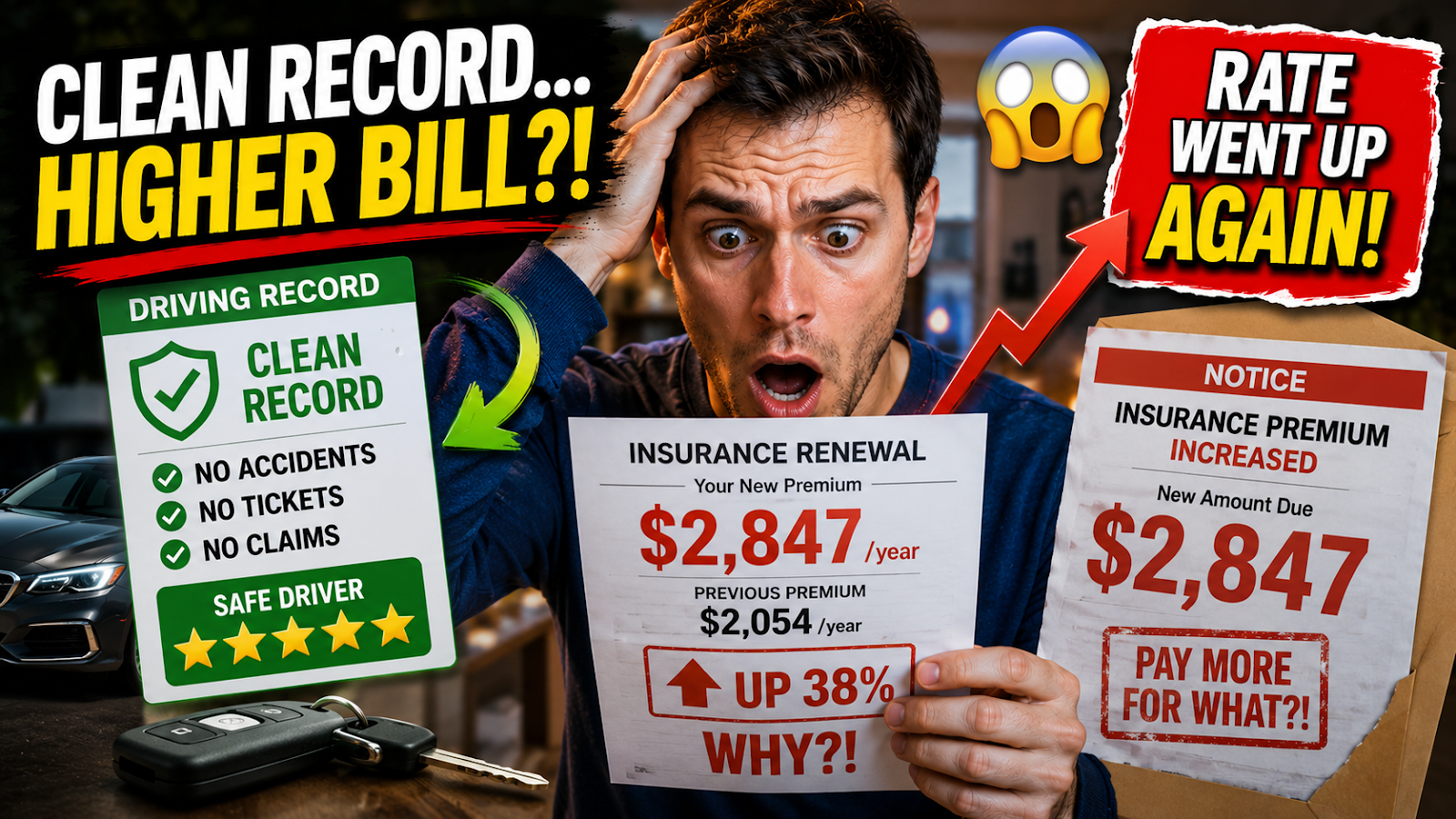
You haven't had a single ticket in five years. No accidents, no claims, no drama. You're the kind of driver insurance companies should love.
So why did your premium just go up?
You're not imagining it. Millions of careful, responsible drivers across the United States are opening their renewal letters and seeing numbers that don't make sense. And the frustrating truth is — your driving record may have almost nothing to do with it.
The Myth of the "Safe Driver Discount"
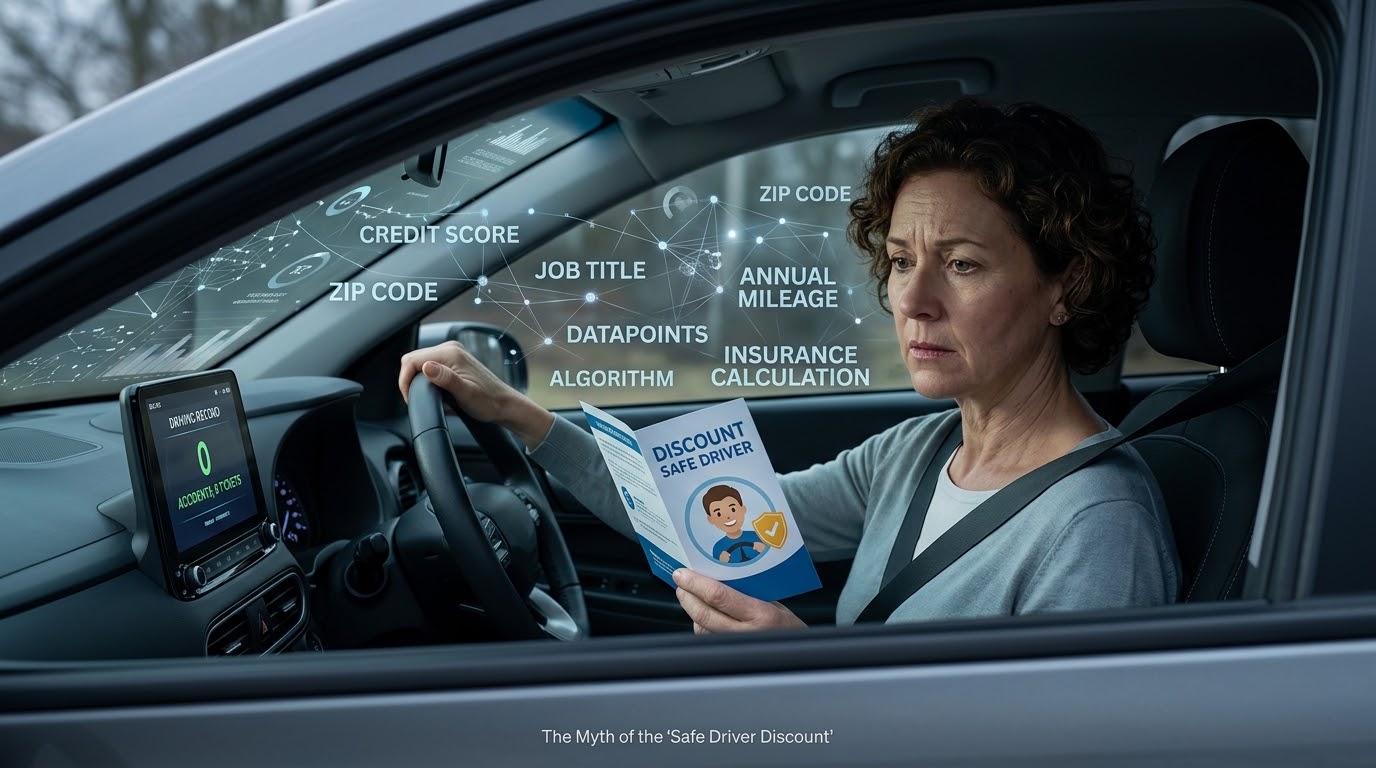
We've been sold a simple story: drive well, pay less. And for decades, that story held up reasonably well.
But the insurance industry has quietly changed the rules.
Today, insurers use a complex web of data points that go far beyond whether you've run a red light. Your credit score, your zip code, your job title, even how many miles you drive annually — all of it feeds into an algorithm that ultimately decides what you pay.
Safe driving is still a factor. It's just no longer the only one. Or even the most important one.
You're Paying for Other People's Mistakes
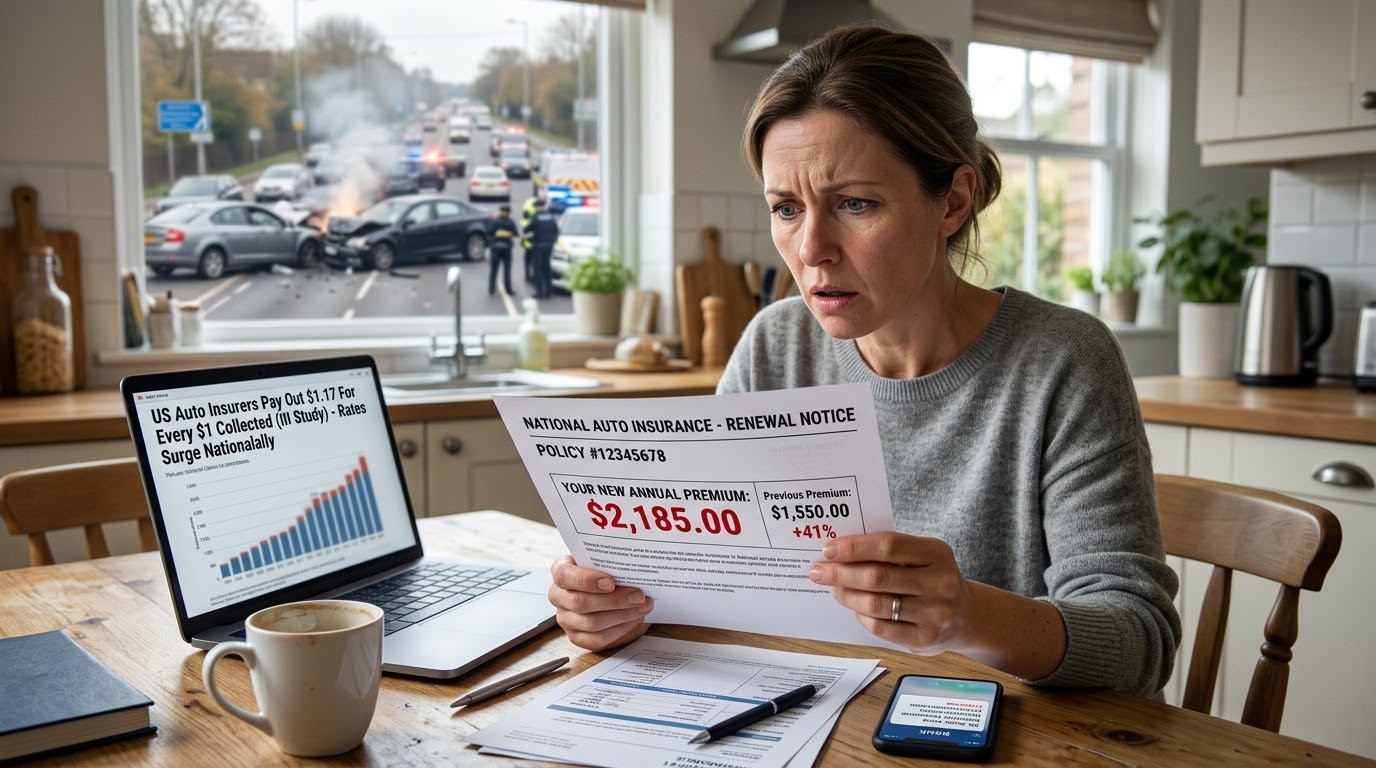
Here's something that might genuinely shock you: when accidents and claims spike nationally, everyone's rates go up — including yours.
Insurance works on a pooled-risk model. Companies collect premiums from a large group and use that pool to pay out claims. When disasters hit — severe weather, a surge in distracted driving accidents, a spike in medical costs — insurers pay out far more than they expected.
And they recoup those losses through higher premiums. Across the board.
According to the Insurance Information Institute, U.S. auto insurers paid out roughly $1.17 in claims and expenses for every $1.00 they collected in premiums in recent years. That's not a sustainable model. And the correction comes straight out of your wallet.
You didn't cause those accidents. But you're helping pay for them.
The Inflation Nobody Talks About
Let's say you were in a minor fender-bender two years ago. Your insurer paid out $3,800 to fix the other car. Straightforward, right?
That same repair today might cost $6,200.
Modern vehicles are packed with sensors, cameras, and advanced driver-assist technology. A bumper isn't just a bumper anymore — it might contain a radar sensor that costs $1,400 alone to replace.
Labor costs have surged. Parts are backordered. And body shops are charging more just to keep up with rising overhead.
The Bureau of Labor Statistics reported that motor vehicle repair costs increased by over 20% between 2021 and 2024. Insurers have been absorbing those increases — and now they're passing them on.
Even if you've never filed a claim, your insurer is pricing in the cost of what would happen if you did.
Your ZIP Code Matters More Than You Think
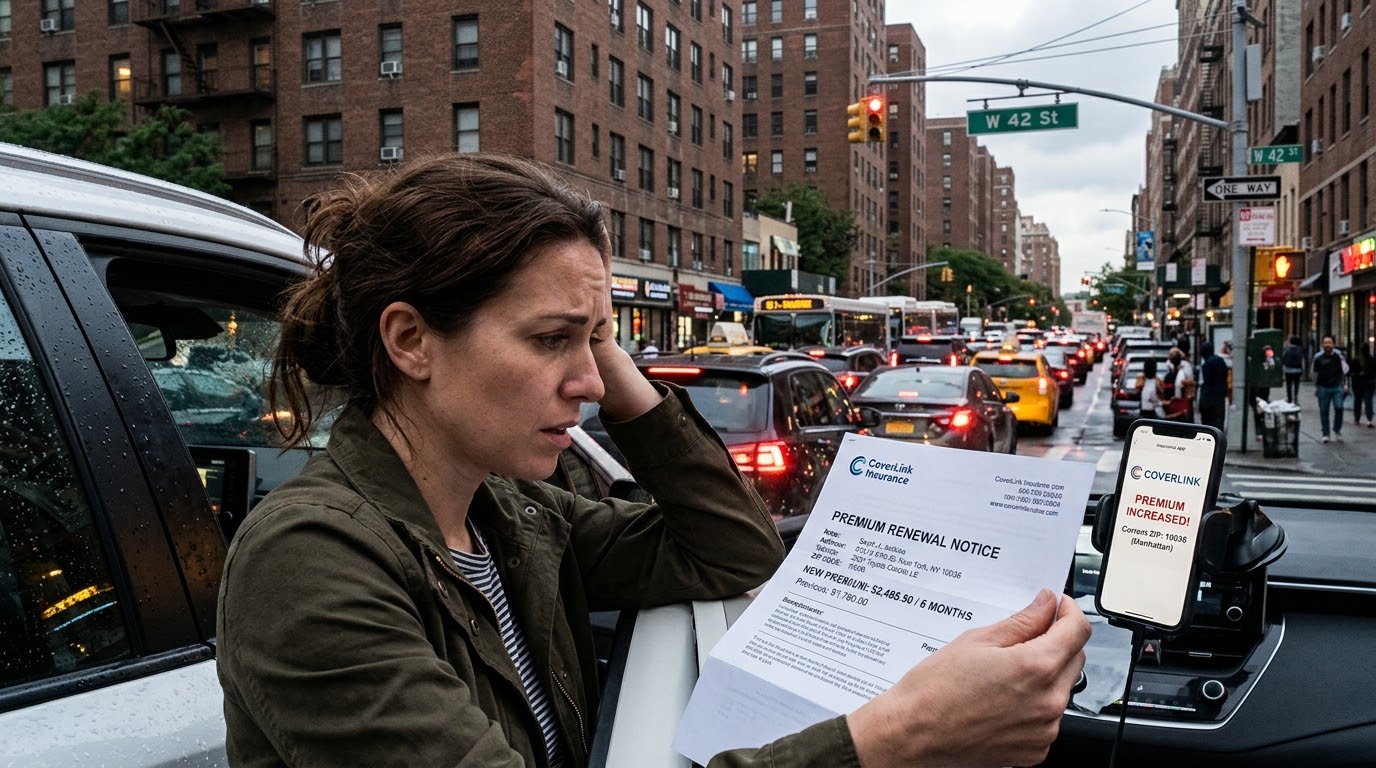
This is where a lot of drivers feel the frustration most acutely.
You might live in a suburb with quiet streets, but if your ZIP code overlaps with an area that has high vehicle theft rates, dense traffic, or frequent weather events — your premium reflects that.
Insurers don't just look at your individual risk. They look at the risk of where you park your car at night.
A 2023 study by the Consumer Federation of America found that drivers in urban ZIP codes can pay up to 40% more than those in rural areas — even with identical driving records and vehicle types.
That difference isn't about how you drive. It's about geography.
The Credit Score Connection (And Why It Feels Unfair)
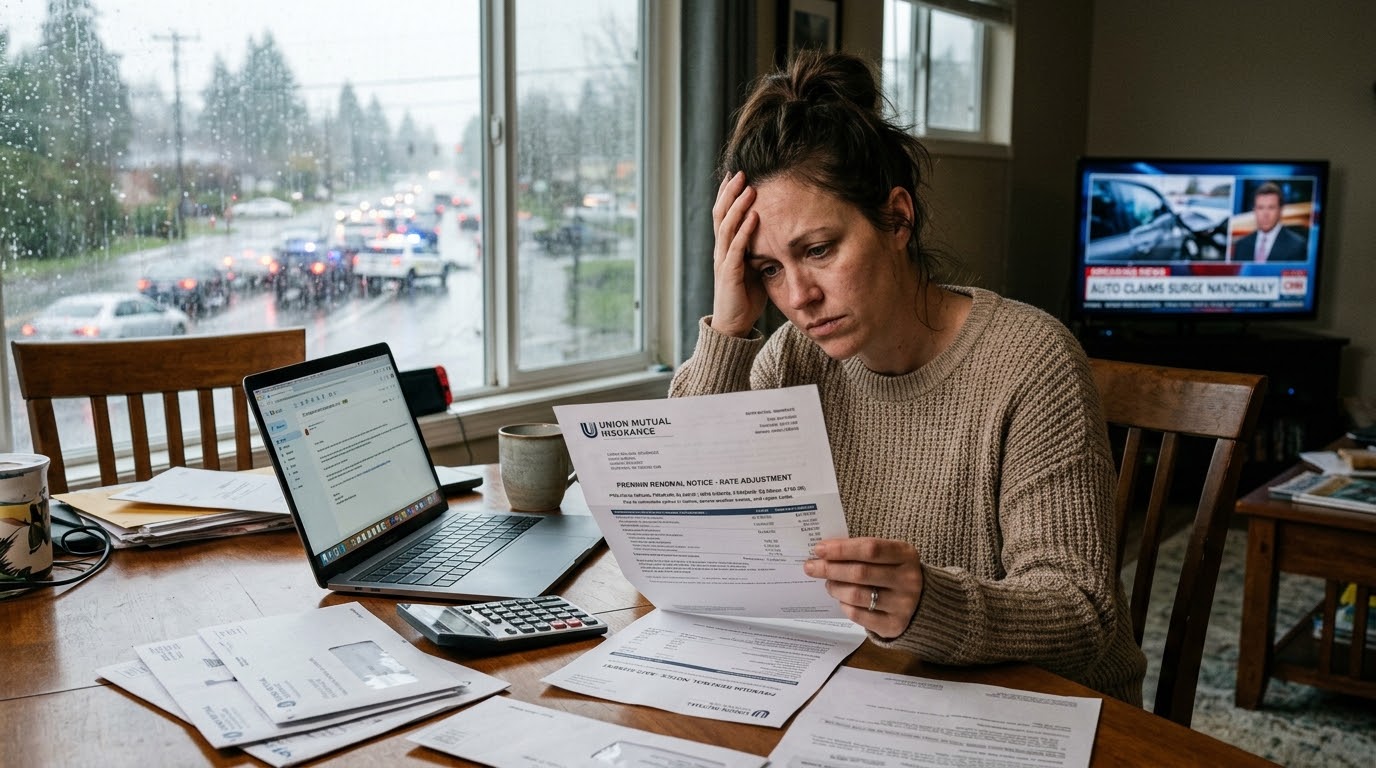
In most U.S. states, insurance companies are legally allowed to use your credit-based insurance score when calculating your premium.
This isn't your regular credit score — it's a separate calculation that insurers claim predicts the likelihood of filing a claim. People with lower scores, they argue, file more claims.
Whether or not that correlation is fair, the practice is widespread. A driver with poor credit can pay anywhere from 50% to 100% more than an identical driver with excellent credit — same car, same record, same history.
Several states including California, Hawaii, and Massachusetts have banned this practice. But in most of the country, your financial history is quietly influencing your car insurance bill.
The Loyalty Trap That Costs You
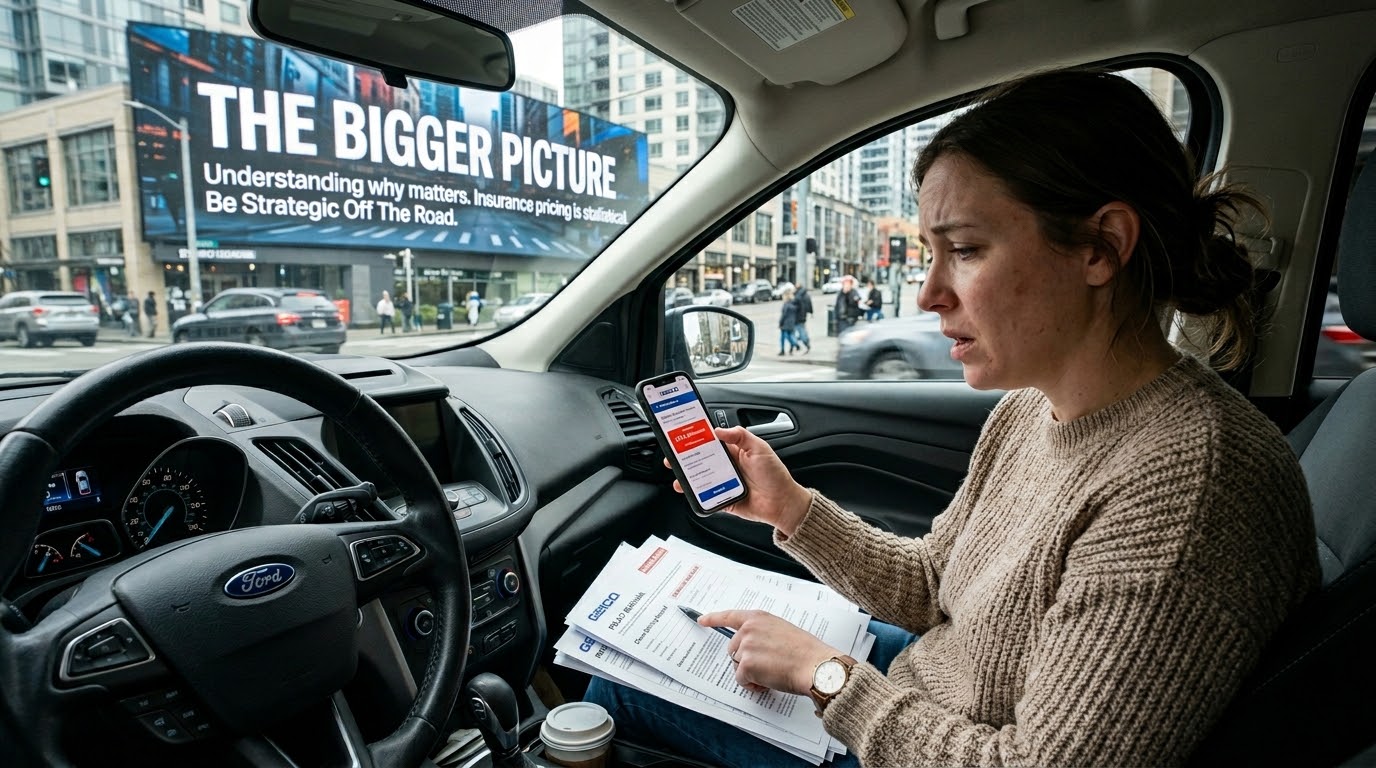
Here's a pattern that plays out constantly: a driver stays with the same insurer for ten, fifteen years. They assume loyalty is rewarded.
It often isn't.
Insurers frequently offer their lowest rates to new customers to win their business. Long-term customers, meanwhile, face something researchers call "price optimization" — a process where insurers gradually increase premiums for customers they've determined are unlikely to shop around.
A 2022 report from the Texas Department of Insurance found that customers who hadn't shopped for new coverage in over three years were paying an average of 18% more than new customers with comparable profiles.
Staying loyal, in many cases, is costing you money.
What You Can Actually Do About It
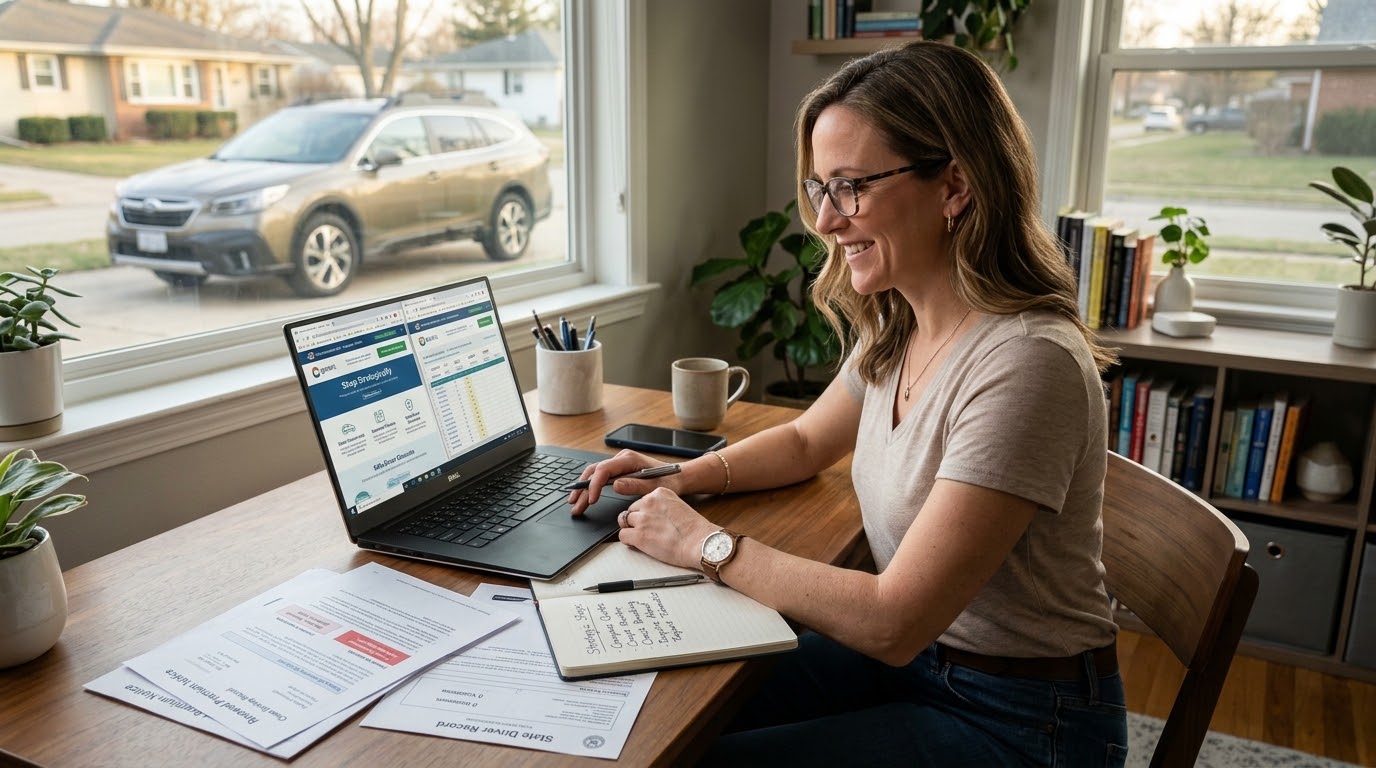
The good news: you're not completely powerless here.
Shopping around is still the single most effective move. Rates can vary by hundreds — sometimes thousands — of dollars annually between insurers for the exact same coverage. Sites like The Zebra or NerdWallet's insurance comparison tool let you compare quotes side by side in minutes.
Ask specifically about telematics programs. Many insurers now offer usage-based insurance, where a small device or app monitors your actual driving behavior. If you drive carefully and infrequently, this can result in significant savings that truly reflect your individual habits rather than pooled statistics.
Review your coverage levels. As your vehicle ages, carrying full comprehensive and collision coverage may no longer make financial sense. Talk to an independent insurance agent — not one tied to a single company — to get an honest assessment of what you actually need.
Finally, improve what you can control. Keeping your credit score healthy, bundling home and auto policies, and maintaining a consistent low-mileage profile all work in your favor.
The Bigger Picture

There's something deeply frustrating about doing everything right and still getting penalized for factors outside your control.
But understanding why this happens is the first step to navigating it effectively. Insurance pricing isn't personal — it's statistical. And statistics can be worked with.
The drivers who pay the least aren't always the ones with the cleanest records. They're the ones who stay informed, shop strategically, and refuse to be passive about a system that rewards those who pay attention.
Your clean record still matters. It's still protecting you from the worst-case scenarios.
But in today's insurance market, it's no longer enough to just drive well.
You have to be just as strategic off the road as you are on it.
Comments
Post a Comment
Silahkan anda berkomentar dengan baik, jangan melakukan Spam, jangan menyisipkan link aktif,
terima kasih.